

Přednáška | Identification and 14C dating of plant temper materials
Identification and 14C dating of plant temper materials preserved in ceramics (ORG-ID project)
Dimitri Teetaert (Ghent University, Belgium)
24. září, 14:10
Přednáška proběhne hybridně – v knihovně ARÚ v Letenské 4, Praha, a online přes Zoom (https://cesnet.zoom.us/j/94608882274 | Passcode: 24092026).
Abstrakt:
Reliable chronological frameworks are fundamental to archaeological research, yet radiocarbon dating is often hindered by the poor preservation of organic remains, uncertain contextual associations, or biases such as the old-wood and reservoir effects. Pottery is a durable and common artifact directly associated with human activities. Throughout history, plant material was frequently added to pottery clays. Charred remains of these plant additives are often preserved within the pottery up to this day and provide a valuable, yet understudied, dating material.
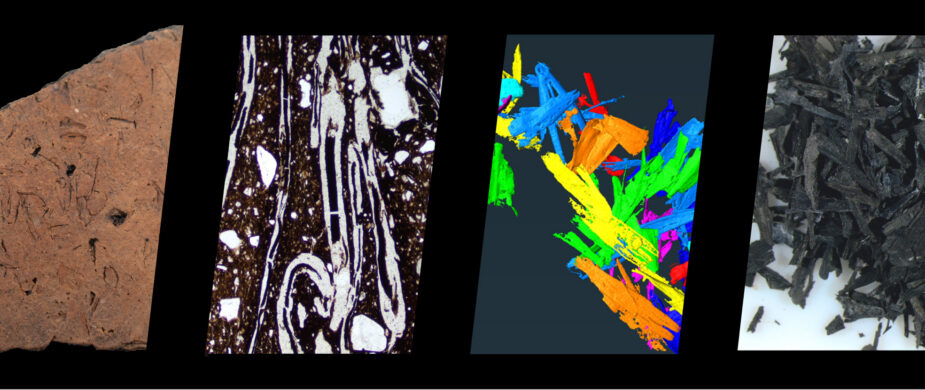
The ORG-ID project investigated the identification and dating potential of plant temper preserved in pottery from 45 archaeological sites in Belgium, northern France and the Netherlands, dating from the Neolithic period to Early Middle Ages. A multi-analytical approach combining thin-section petrography, X-ray micro-CT, reflected light microscopy and SEM analysis enabled the identification of a wide range of temper materials and provided new insights into the selection and use of plant resources in ceramic production through time. In parallel, different extraction and chemical pre-treatment procedures were evaluated to establish a robust protocol for AMS 14C dating of plant temper.
The results demonstrate that plant temper can provide reliable radiocarbon dates when appropriate identification, extraction and pre-treatment strategies are applied. The methodological framework developed within ORG-ID opens up new perspectives for the study of plant-tempered ceramics in other regions and periods. In particular, it offers promising opportunities to re-evaluate existing chronologies of early LBK settlements in Central Europe.
